In short
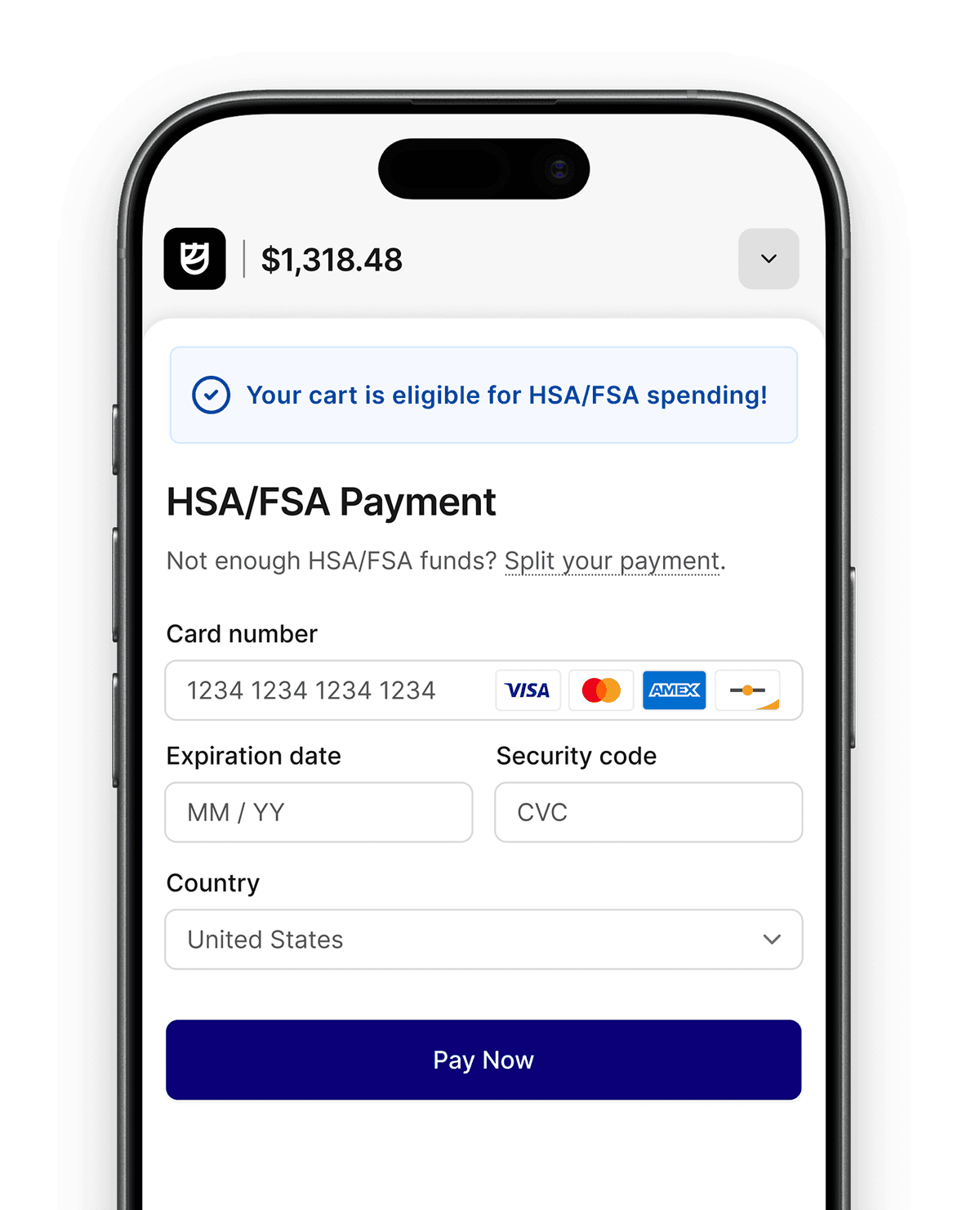
HSA/FSA reimbursement is the process of paying out of pocket for an eligible purchase and then filing a claim with your benefits administrator to get the money back. (HSAs and FSAs differ on rollover and account ownership, but both reimburse eligible purchases the same way.) It's also where most customers get stuck. Flex, an HSA/FSA payments platform, now lets your customers file that reimbursement claim directly from the Flex Consumer Portal, Letter of Medical Necessity included, instead of on their administrator's separate portal.
Why HSA/FSA reimbursement is broken
Look at what people actually search for and the problem is obvious: "how does HSA reimbursement work," "how to get reimbursed from your HSA," "how long does FSA reimbursement take," "how to submit my claim." These aren't edge cases. They're the most common questions in the category, which means the most common experience is confusion.
Reimbursement isn't one process; it's a different process for each of the many benefits administrators your customers might have. To get reimbursed today, your customer has to:
- Leave your store and figure out which benefits administrator they even have
- Find that administrator's specific claim form
- Re-upload a receipt they already have
- Attach supporting documentation, such as a Letter of Medical Necessity
- Fill in claim fields that don't match any data they have handy
- Sign and submit the claim
- Wait, with no clear sense of whether they did it right
Every one of those steps is a place to give up. And many do. The gap between "I bought something eligible" and "I got my money back" is filled with friction that has nothing to do with your product, but it shapes how customers feel about buying from you again.
What is a Letter of Medical Necessity?
A Letter of Medical Necessity (LMN) is documentation from a licensed healthcare provider stating that a product or service is being used to treat a specific medical condition. A lot of HSA/FSA-eligible purchases, especially in wellness, fitness, nutrition, and recovery, only qualify when they're backed by one.
An LMN documents the medical necessity that can make a purchase reimbursable under IRS rules and the customer's benefits administrator's requirements. Flex doesn't determine what qualifies; it submits the documentation the administrator needs. The friction lives in the format: the LMN has to travel with the claim to the administrator, exactly as that administrator expects it. One more thing for the customer to get right, one more place for the claim to bounce.
How Flex files the HSA/FSA reimbursement claim from the Flex Consumer Portal
After your customer completes their purchase with a credit card, Flex handles their reimbursement claim end to end, directly from the Flex Consumer Portal. They pick their benefits administrator, and Flex pulls that administrator's specific claim form, pre-fills it with the order data and receipt already on file, attaches their Letter of Medical Necessity when one is required, and lets them sign and submit in a few taps. Flex absorbs the part that used to break: knowing each administrator's requirements and assembling the claim correctly, so more claims clear the first time, with the fewest possible steps for your customer.

Why this matters for your brand
The brands that win HSA/FSA make tax-advantaged spending effortless from end to end — they accept the benefits card at checkout when the customer has it, and offer a seamless reimbursement claim when they don't. Flex is the most seamless way for your customers to leverage their tax-advantaged funds, on whichever path they take. That's the difference between an eligible-at-checkout badge and a customer who actually keeps the savings — and comes back.
When customers trust they'll be reimbursed without a fight, they buy with more confidence and return more often. And every claim filed inside Flex is a claim that doesn't become a support ticket, get abandoned halfway, or reflect on your brand when it goes wrong.
The takeaway: HSA/FSA isn't done at checkout. Whether your customer taps their benefits card or pays out of pocket and files for reimbursement, what they remember is whether they actually got to use their tax-advantaged dollars without a fight. Flex covers both — payments and reimbursement — with the highest rate of reimbursement and the fewest steps. That's the differentiation you can own right now, while it's still the part of the category everyone else is ignoring.
Coverage: the administrators your customers already use
Works with | 100+ of the benefits administrators your customers already use |
Available on | Shopify, WooCommerce, and direct API |
Which means | This isn't a feature that helps a sliver of your audience. It covers the administrators people actually have. |
Talk to us
If you sell HSA/FSA-eligible products, this is how you make sure your customers actually get their money back. Book a demo and we'll walk you through the full reimbursement flow, end to end.